

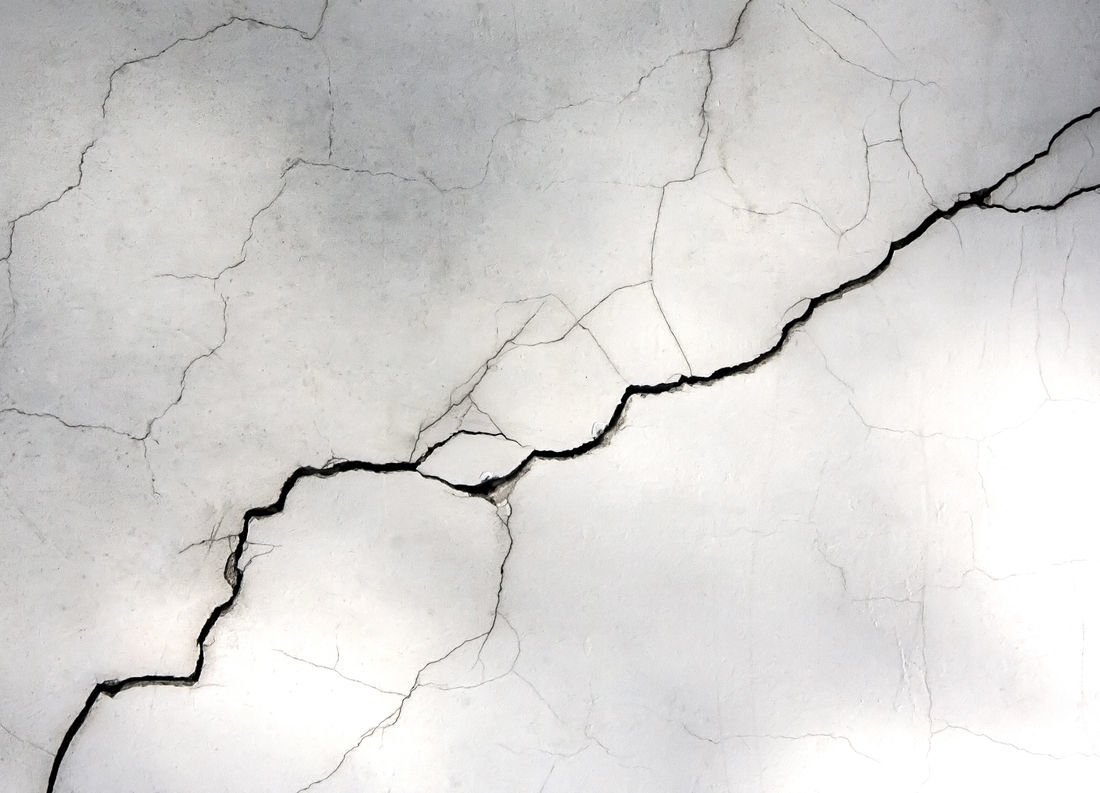
What Is Concrete Cancer?
Concrete cancer is a serious structural problem that happens when the steel reinforcement inside concrete starts to rust.
Most concrete structures contain steel bars for strength. When moisture gets into the concrete and reaches this steel, the steel begins to corrode. As it rusts, it expands and pushes against the surrounding concrete. Over time, this pressure causes cracks, flaking, crumbling and sections of concrete to break away.
The difficult part is that concrete cancer often develops slowly beneath the surface. By the time you notice visible signs, such as cracking, rust stains or spalling concrete, the damage may have been growing for years.
In Sydney, concrete cancer is common because of coastal conditions, humidity, salt air and long-term water exposure. Older buildings, balconies, car parks, strata complexes and exposed concrete structures are especially at risk.
If you can see the problem, it has already progressed. That is why early investigation matters. The sooner the problem is identified, the easier it is to repair the damage and protect the structure from further deterioration.

Signs Your Building May Have Concrete Cancer
| Warning Sign | What to Look For |
|---|---|
| Visible cracking | Cracks or fractures appearing across concrete surfaces |
| Rust staining | Brown or rust-coloured streaks running down walls, columns or concrete edges |
| Concrete spalling | Sections of concrete flaking, crumbling or falling away |
| Bubbling or blistering | Paint lifting, bubbling or blistering on concrete surfaces |
| Exposed reinforcement | Steel reinforcement bars becoming visible through the concrete |
| Damp patches | Persistent moisture marks or water staining on concrete |
| Hollow sound | A hollow or “drummy” sound when tapping the concrete surface |
Our Concrete Cancer Investigation & Repair Process
At Protelum Projects, we do not guess. We investigate thoroughly, diagnose accurately, and then repair correctly, addressing the root cause, not just the surface.
Step 1: Site Investigation & Assessment
Our team conducts a thorough on-site investigation of the affected structures. We assess the extent of corrosion, the depth of deterioration, and the likely cause of moisture ingress. We use proven diagnostic methods to map the damage accurately before any repair work begins.
Step 2: Detailed Diagnosis & Reporting
We provide a clear report explaining what we found, how serious the issue is, and what needs to be done. You receive honest advice and a recommended treatment plan.
Step 3: Concrete Breakout & Steel Treatment
We remove all deteriorated, damaged and unsound concrete down to the solid substrate. Exposed reinforcement steel is cleaned, treated with a corrosion inhibitor, and prepared for reinstatement. This step is critical because skipping it can lead to repeated failure.
Step 4: Repair & Reinstatement
We rebuild the affected areas using quality polymer-modified repair mortars and systems suited to the defect and structural requirements.
Step 5: Protective Coating Application
Where required, we apply protective coatings or anti-carbonation treatments to seal the surface and help extend the life of the repair. This step separates a lasting repair from a temporary fix.
Why Early Action Saves You Money
Concrete cancer does not stop on its own. Every week it progresses, the scope of repair grows and so does the cost.
A small damaged area on a balcony or concrete surface can turn into a much bigger problem if water keeps getting in and the steel inside the concrete continues to rust. What may be a simple repair now can become a larger structural repair later.
Early intervention means:
- Smaller repair zones and lower material costs
- Less disruption to building occupants
- Reduced risk of safety incidents from falling concrete
- A simpler, faster project overall
If you have noticed any warning signs, do not put it off. Get it investigated now.
Who We Work With Section - Residential, Strata & Commercial Properties
Protelum Projects works across a broad range of property types throughout Sydney:
- Strata and apartment buildings — balconies, soffits, columns, car park decks, common areas
- Commercial and industrial properties — facades, structural slabs, carparks, loading docks
- Residential properties — driveways, retaining walls, foundations, balconies
- Government and infrastructure — civil and public asset remediation
Whether you are a strata manager dealing with a building defect report, a building owner with a visible problem, or a facilities manager looking to get ahead of an issue, we have the experience to handle it.
Why Choose Protelum Projects?
Thorough, not rushed.
We investigate properly before we repair. That means the right scope, the right method, and a result that holds.
Honest advice.
We tell you what we find and what it means. If something does not need to be replaced, we will not tell you it does.
Quality materials and workmanship.
All repairs are carried out using proven repair systems and materials that meet Australian Standards. We do not cut corners.
Experience across Sydney.
We have worked on a wide range of remedial projects across the Sydney metropolitan area, from strata complexes to commercial facilities.
End-to-end service.
From initial investigation through to final protective coatings, we manage the entire process. You deal with one team, not a series of contractors.
Other Services You May Need
Concrete cancer often occurs alongside other building defects. Our broader remedial services include:
- Building Reports
- Structural Rectification
- Leakage Inspections and Solutions
- Facade Refurbishment
- Planter Box Leakage
Frequently Asked Questions
What causes concrete cancer?
The most common cause is moisture ingress.
When moisture enters through cracks, poor waterproofing or ageing concrete, it can reach the steel reinforcement inside. Once the steel gets wet, it starts to rust. As the rust expands, it pushes against the surrounding concrete, causing cracks, flaking and concrete to break away.
In Sydney, this problem can happen faster because of humidity, salt air and coastal conditions. These conditions make steel corrosion worse, especially in balconies, car parks, exposed walls, columns and older buildings.
How do I know if my building has concrete cancer?
Common signs include cracking, rust staining, concrete spalling (pieces breaking or flaking away), bubbling paint or render, exposed steel, and persistent damp patches. A professional investigation is the only reliable way to confirm the extent and cause of the damage.
Is concrete cancer dangerous?
Yes, if left untreated. Falling concrete from spalled balcony soffits, columns or facades poses a serious safety risk to occupants and the public. Internally, ongoing corrosion can compromise the structural capacity of beams, slabs, and columns.
Can concrete cancer be repaired permanently?
Yes, concrete cancer can be repaired properly when the root cause is treated, not just the visible damage.
A lasting repair usually involves removing all damaged concrete, cleaning and treating the corroded steel, rebuilding the area with the right repair materials, and applying protective coatings to help stop moisture getting back in.
A quick surface patch is not enough. It may look fixed for a short time, but if the rusting steel and moisture problem remain, the damage will usually come back.
How much does concrete cancer repair cost in Sydney?
The cost of concrete cancer repair in Sydney depends on the size of the damaged area, how deep the corrosion goes, site access and the repair method needed.
A small surface repair will usually cost less than a larger structural remediation project involving balconies, columns, car parks or difficult-to-access areas. That is why a proper site inspection is the best first step.
Contact our team to arrange an assessment. We can inspect the affected areas, explain the repair options and provide a clear quote based on the actual scope of work.
How long does concrete cancer repair take?
This varies by project size and complexity. Smaller, localised repairs can be completed in a few days. Larger remediation projects involving scaffolding, significant breakout, and multiple treatment phases will take longer. We will give you a clear timeline as part of our assessment and proposal.
Does concrete cancer affect property value?
Unaddressed concrete cancer can significantly impact property value, insurability, and compliance with strata obligations. Addressing it properly protects your asset and demonstrates responsible building management.